Embracing the Freedom of Unschooling: A Journey Beyond the Classroom
A Journey Beyond the Classroom
Introduction
Imagine a learning experience where children follow their curiosity, explore the world at their own pace, and cultivate a lifelong love of discovery. Unschooling offers exactly that—a child-led, interest-driven approach that can transform the way we see education. With roots in the belief that children learn best when they are engaged, empowered, and free to explore, unschooling shifts away from traditional structures and brings the world into focus as the classroom.
What is Unschooling?
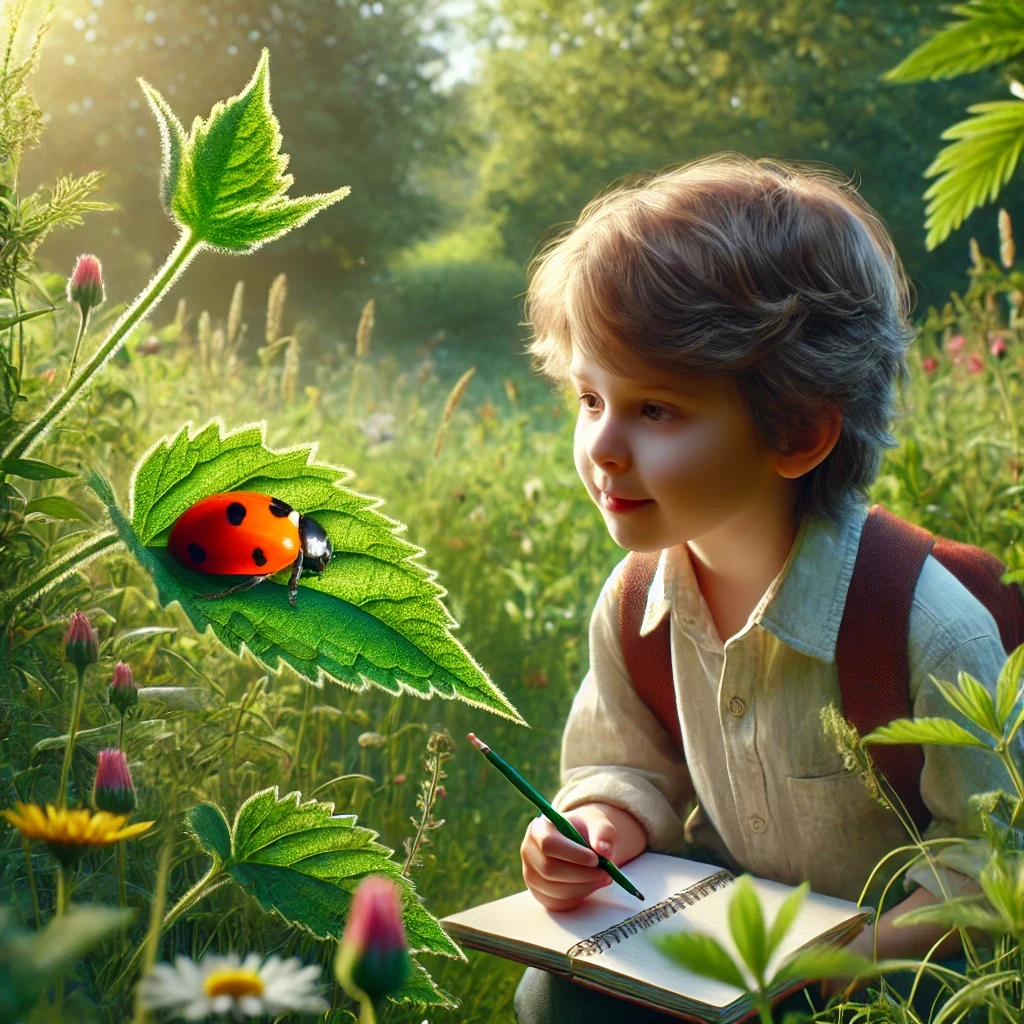
At its core, unschooling is about nurturing a child’s natural love for learning by allowing them to pursue their interests, ask questions, and find answers on their own terms. Unlike conventional schooling, unschooling doesn’t rely on a set curriculum or rigid schedule. Instead, it encourages learning through daily life experiences, passions, and personal projects, whether it’s cooking, building, exploring nature, or even diving into complex subjects like science or history, all led by the child’s curiosity.
The Benefits of Unschooling
1.Individualized Learning: Unschooling allows children to dive deeply into topics they are passionate about, which leads to a more meaningful and memorable learning experience.
2.Promotes Lifelong Curiosity: By letting children choose what they learn, unschooling fosters a love for discovery that lasts well beyond their school years.
3.Adaptable to Any Environment: Unschooling doesn’t require special materials or setups. Learning happens everywhere—whether you’re in a park, a museum, or just going about daily life.
4.Develops Independence and Confidence: Children in an unschooling environment learn to take initiative, make decisions, and follow through with their own projects, which builds self-reliance and confidence.
How to Begin Unschooling
1.Observe and Listen: Notice what your child is naturally drawn to. Their interests can guide your learning adventures together.
2.Create a Resource-Rich Environment: Fill your space with materials and books on various topics, art supplies, science kits, and access to nature. The key is having a variety of resources that inspire exploration.
3.Allow for Unstructured Time: Children need space to dream, tinker, and explore without deadlines. Unstructured time is where creativity and curiosity often flourish.
4.Use Real-Life Experiences as Learning Opportunities: Every outing, whether it’s grocery shopping, cooking, or a nature walk, can be a chance to learn. Look for questions to ask, skills to build, and stories to tell.
5.Trust the Process: It can be hard to let go of conventional expectations, but trust that your child’s natural curiosity will guide them to learn what they need to know in their own way and time.
Resources for Unschooling
Consider adding books, documentaries, and podcasts to your routine. Titles like How Children Learn by John Holt, a pioneer in the unschooling movement, offer insight into the benefits of child-led education. Podcasts like Exploring Unschooling can offer tips, ideas, and inspiration from families who have embraced this path.
Closing Thoughts
Unschooling is as much a journey for parents as it is for children. By stepping into this approach with an open mind and a willingness to observe, encourage, and support your child, you can help them grow into independent, passionate, and confident learners. Embrace the freedom unschooling offers, and you may discover a new way of learning that enriches your family’s life.

You May Also Like

Why Charlotte Mason’s Method of Educating Children Resonates So Deeply With Me

Discover the Norway of America: Exploring Alaska’s Kenai Fjords National Park – A Perfect Adventure for Families and Homeschoolers